Babbi
Mafia Queens of MumbaiBabbi is the only one of Gangubai Kathiawadi's adopted children who still lives in Kamathipura today, making her the last living link to the woman remembered as 'the queen of Kamathipura.' While Gangubai never married, she is said to have adopted several children who lived with her in her small room in Kamathipura 12th Lane, most of them orphans or homeless. Of all these children, only Babbi remains in the area, and it is through her that the intimate details of Gangubai's daily existence have been preserved for posterity.
Daily Life and Personal Habits
According to Babbi, Gangubai began each day reading the Gujarati newspaper Janmbhoomi and sipping her tea at six in the morning. This was followed by breakfast, after which she played cards next door. Babbi describes Gangubai as a hard-core gambler who gambled almost daily, and who had many vices: she smoked bidis, drank Ranichaap, and chewed paan. She also hobnobbed with several journalists and ministers, a social network that complemented her political connections. These details, relayed by Babbi, paint a portrait of a woman whose public power as a brothel madam was matched by a private life of routine indulgence and political sociability.
Role as Witness and Custodian of Memory
Babbi's testimony carries particular weight because she is the sole surviving member of Gangubai's adopted family who remains in Kamathipura. Her account of Gangubai's death—that she died of old age sometime between 1975 and 1978—is one of the few concrete facts known about the end of the brothel keeper's life. Babbi also records that soon after Gangubai's death, effigies of her were placed in the brothels of the area, a practice that continues to this day. The social worker who was initially sheltered by Gangubai confirms that even today, framed pictures and statuettes of Gangubai are present in the brothels of Kamathipura, and that asking anyone about Gangubai will direct a visitor to a framed picture in their room. Babbi's position as the last living witness thus makes her the custodian of a memory that has become institutionalized in the very fabric of the red-light district.
The Changing Landscape of Kamathipura 12th Lane
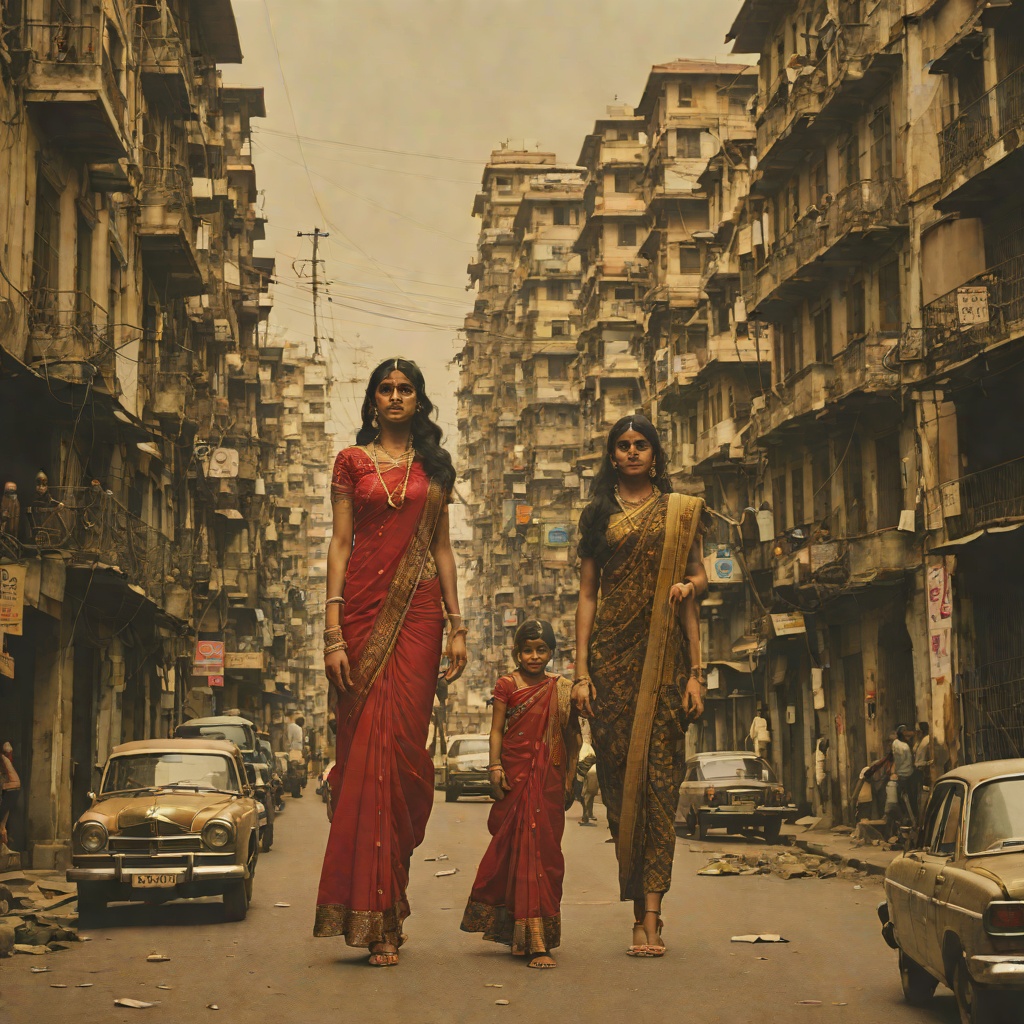
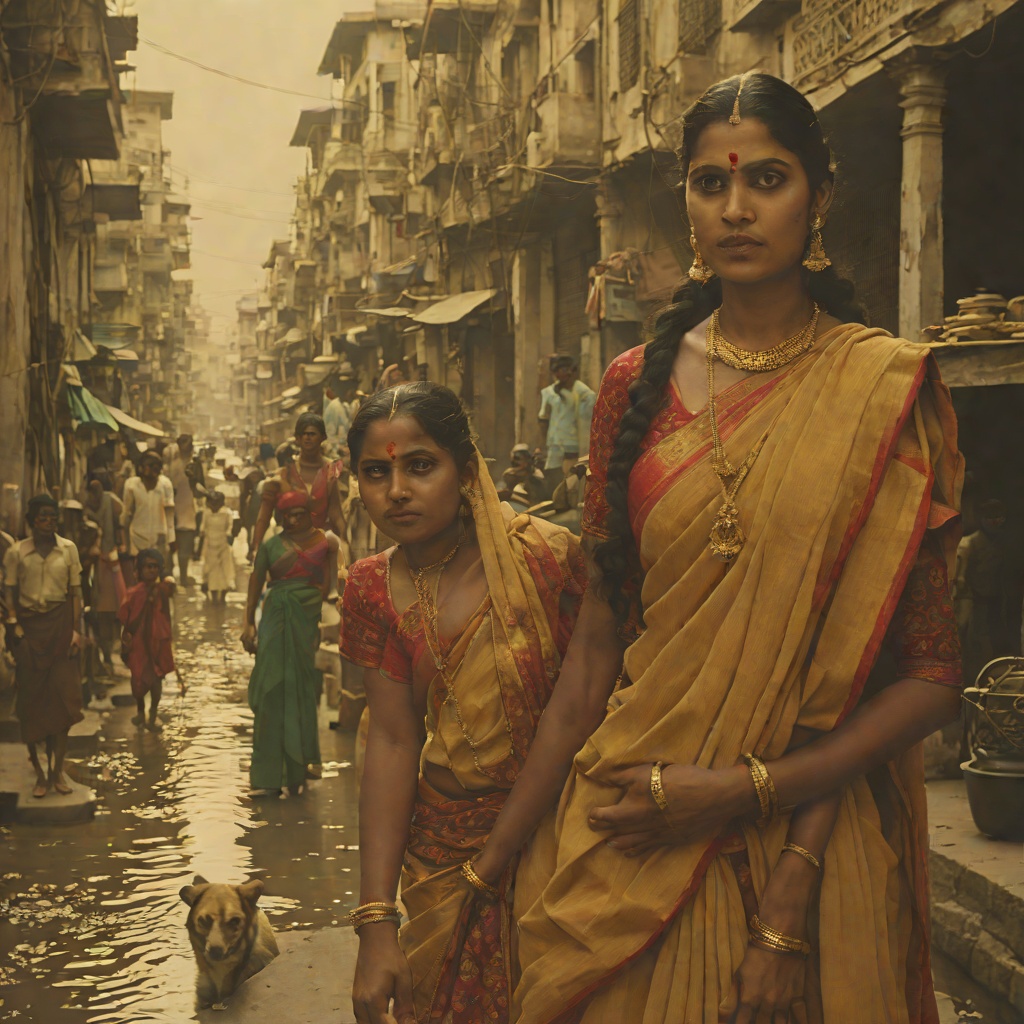
The lane where Babbi still lives has undergone a dramatic transformation since Gangubai's time. Kamathipura 12th Lane, once said to be the richest lane in the area, is now a shadow of its former self. In abysmal contrast to its former glory, there is nothing much to see these days except for hand-carts, stray dogs, or ordinary people engaging in petty work. The lane, which used to be lined with Ambassadors, Mercedes, and Bentleys, is now filled with cycles and rusting scooters. Unlike the other by-lanes, 12th Kamathipura has only a brothel or two, a far cry from the time of the iron-willed Gangubai. Babbi's continued residence in this diminished lane serves as a living monument to the gap between the legendary past and the diminished present.
Narrative Significance
Babbi's importance to the book lies in her role as an oral historian whose testimony grounds the legendary figure of Gangubai in concrete, domestic detail. While the apocryphal stories of Gangubai's meeting with Jawaharlal Nehru and her political influence circulate among the sex workers of Kamathipura with pride and authority, it is Babbi who provides the mundane, verifiable texture of Gangubai's daily life—her newspaper, her tea, her card games, her bidis, her Ranichaap, her paan. This contrast between the legendary and the quotidian is central to the book's method of portraying the women of the Mumbai underworld. Babbi's testimony humanizes Gangubai, transforming her from a mythic figure into a woman with habits and routines, while her continued presence in Kamathipura ensures that the memory of the 'queen of Kamathipura' remains not merely a story but a living, embodied connection to the past.